 VI
VI EN
EN
The rice leaf folder is a serious pest that significantly affects rice yield and grain quality. Learn how to identify it, recognize its symptoms, understand the damage it causes, and apply effective control measures.
1. Introduction to the Rice Leaf Folder
The rice leaf folder (Cnaphalocrocis medinalis) is one of the most common and destructive pests in rice cultivation. This insect feeds on rice leaves, reducing the plant’s photosynthetic ability and directly affecting yield.
Leaf folder outbreaks usually occur during the tillering and panicle initiation stages, especially under rainy weather conditions or in fields with excess nitrogen fertilization and dense canopy growth.
2. Identification Characteristics of the Rice Leaf Folder
- Adult moth: Small in size, yellowish-brown in color, with two distinct brown stripes on the wings.
- Eggs: Oval-shaped, milky white, laid singly or scattered on the surface of rice leaves.
- Larvae (caterpillars):
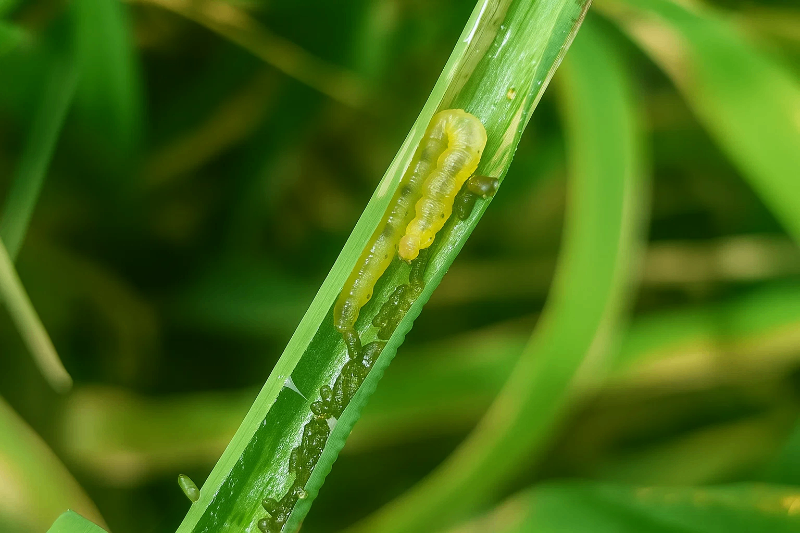
Light green with a yellowish-brown head. The larvae produce silk to roll rice leaves into tubes, where they hide and feed inside.
3. Damage Symptoms on Rice Plants
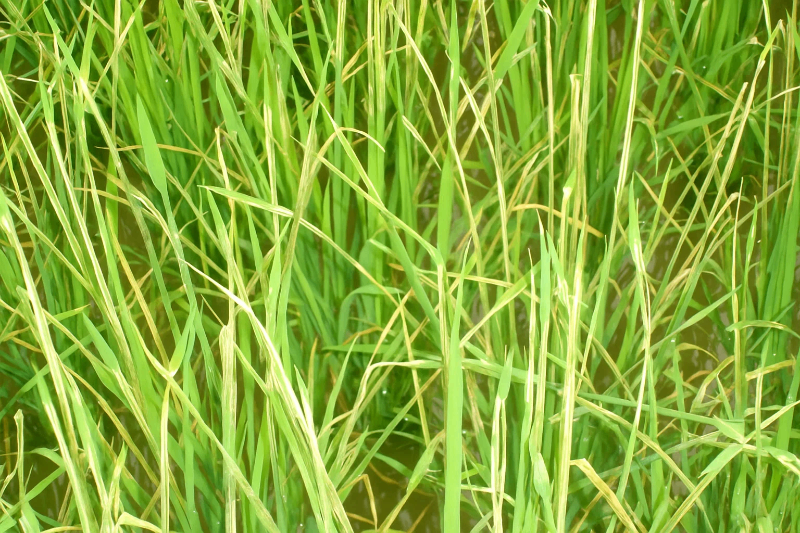
Rice leaf folder larvae feed on the green tissues of the leaves, leaving behind transparent white epidermal layers. This damage reduces the plant’s ability to perform photosynthesis.
Affected leaves become rolled into tubes, with larvae living and feeding inside. In heavily infested fields:
- Many leaves turn white and shredded
- Rice plants grow poorly
- The number of panicles and grain weight decrease
4. Economic Damage
Yield reduction
Severely infested rice fields may experience yield losses of 10–30%, especially when damage occurs during the panicle initiation to heading stage.
Increased control costs
Farmers must increase:
- the number of pesticide applications
- labor and field management costs
Reduced grain quality
Weak plants produce fewer filled grains, lowering rice quality and affecting market price and export value.
5. Causes of Leaf Folder Outbreaks
- Dense planting and excessive nitrogen fertilization create lush canopies that attract pests.
- Prolonged hot and humid weather conditions.
- Reduced populations of natural enemies.
- Lack of regular field monitoring, leading to late detection of eggs and young larvae.
6. Control Measures for Rice Leaf Folder
6.1. Cultural Practices
- Maintain appropriate planting density.
- Apply balanced fertilization, avoiding excessive nitrogen.
- Clean field edges and remove weeds.
- Destroy egg clusters early.
- Synchronize planting schedules to disrupt the pest life cycle.
6.2. Biological Control
Conserve natural enemies such as:
- Predatory spiders
- Trichogramma parasitoid wasps
These beneficial organisms help suppress leaf folder eggs and larvae naturally.
6.3. Mechanical Control
- Use insect nets to catch adult moths early in the morning.
- Install light traps to attract and reduce moth populations.
6.4. Chemical Control
Apply insecticides when young larvae (1st–2nd instar) are detected, which is usually when leaves begin to roll.
- Recommended active ingredients include:
- Emamectin benzoate
- Indoxacarb
- Chlorantraniliprole
- Spinetoram
Always apply pesticides:
- at the correct timing
- with the proper dosage according to recommended guidelines
- This ensures effective pest control while preventing resistance and protecting natural enemies.
A product highly rated by many farmers for controlling rice leaf folders is SIÊU SÂU.
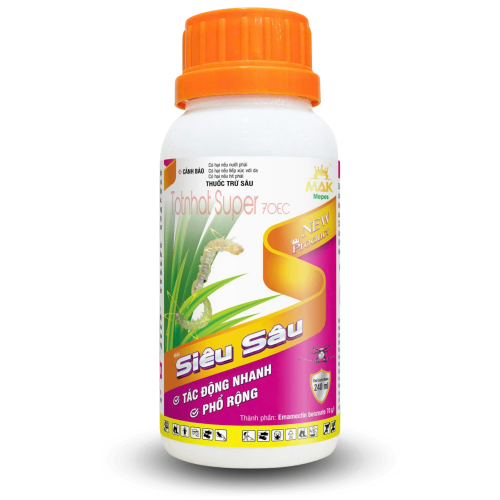
SIÊU SÂU is a new-generation biological insecticide with a broad spectrum of activity. It works through contact and stomach action.
The product directly affects the central nervous system of caterpillars, planthoppers, and aphids, causing pests to stop feeding within about 30 minutes after exposure, and die within 2–4 hours.
Manufactured using modern production technology, SIÊU SÂU dissolves quickly and completely, providing fast and long-lasting pest control.
It effectively controls:
- rice leaf folders
- thrips
- rice mites
as well as:
- armyworms
- diamondback moths
- aphids on vegetables
Farmer Testimonial
Mr. Trần Văn Cảnh (Tháp Mười District, Đồng Tháp Province) shared:
“Several years ago, rice leaf folders caused serious problems in my fields. Right after the tillering stage, the larvae rolled the leaves, turning entire fields white. I sprayed pesticides repeatedly but the pests kept returning. Sometimes I sprayed two or three times and the leaves were still eaten, and yields dropped significantly.
Last season, the local dealer recommended SIÊU SÂU. I followed the instructions carefully and sprayed them when the larvae were still young. Just one day later, I saw many dead larvae on the ground, and the leaves stopped rolling.
The important thing is that the product causes minimal harm to natural enemies, does not burn leaves, and does not cause yellowing like some older pesticides. My rice plants stayed green, developed strongly, and panicles emerged evenly. At harvest, my yield increased 300–400 kg per hectare compared with previous seasons.
Now I feel much more confident—rice leaf folders are no longer a major concern. Whenever someone asks me, I recommend SIÊU SÂU right away because it targets the pest effectively and works very well.”
7. Conclusion
The rice leaf folder is an important pest that must be monitored and managed carefully. Recognizing its characteristics, damage symptoms, and applying integrated pest management (IPM) strategies are key to reducing losses, protecting rice yield and grain quality, lowering production costs, and minimizing environmental impact.
The product SIÊU SÂU has also proven highly effective in controlling rice leaf folder infestations.
8. Contact Information
For more information about SIÊU SÂU and other products from MEPES, or for technical consultation on crop protection and cultivation, please visit:
https://www.mepes.vn/ or contact the hotline: 1800 9227 – 0813 27 27 27 for the best support and technical guidance.